







Search Results for: United States Department of Agriculture
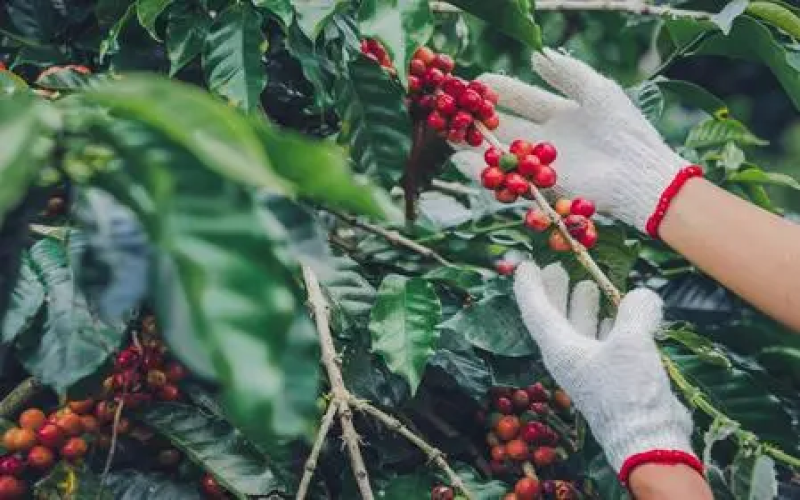
Philippine Coffee Industry Achieves Breakthrough: ACDI/VOCA Partners with WCR to Complete Five-Year Project, Legally Introduces New Arabica Varieties for the First Time
Recently, the five-year Philippine Coffee Advancement and Farm Enterprise (PhilCAFE) project, funded by the United States Department of Agriculture and implemented through a partnership between ACDI/VOCA and World Coffee Research (WCR), has officially concluded. Launched in 2019, the project aimed to improve coffee production and quality, empower farmers, and support the skills development of national researchers and producers. The project legally introduced new Arabica varieties to the Philippines for the first time, established 18 on-farm technical trials and 2 coffee variety trial sites, paving the way for innovation in the Philippine coffee industry. Front Street Coffee notes that this initiative is expected to help the Philippines cope with climate change-induced yield declines and provide farmers with more high-yielding, climate-resilient, and pest- and disease-resistant variety options. [more…]
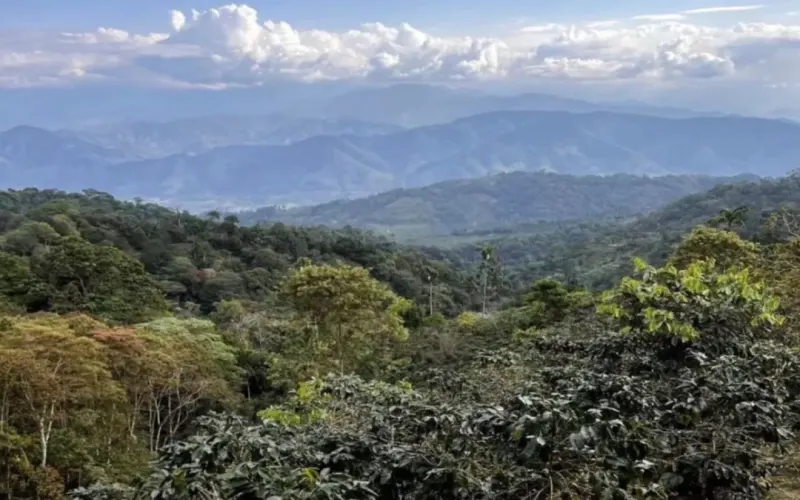
Peruvian coffee industry shakes off El Niño shadow, 2024/25 production and exports expected to rise together
The latest report from the United States Department of Agriculture shows that Peru's coffee industry is gradually emerging from the shadow of El Niño. After facing severe challenges in the first quarter of the 2023/24 fiscal year, production has recovered to 3.95 million bags, achieving a 9% year-on-year increase. Looking ahead to the 2024/25 marketing year, Peru's coffee production and exports are expected to rise by 7% and 6% respectively, reaching 4.22 million bags and 4.07 million bags. International coffee prices remain elevated, encouraging coffee farmers to increase investment in cultivation and fertilizers, injecting momentum into the industry's recovery. Meanwhile, cooperation between Peru and China on the Chancay Port project has made new progress, creating favorable conditions for increased exports of coffee and other agricultural products to China in the future. Front Street Coffee will continue to monitor the origin dynamics and flavor performance of Peruvian coffee. [more…]
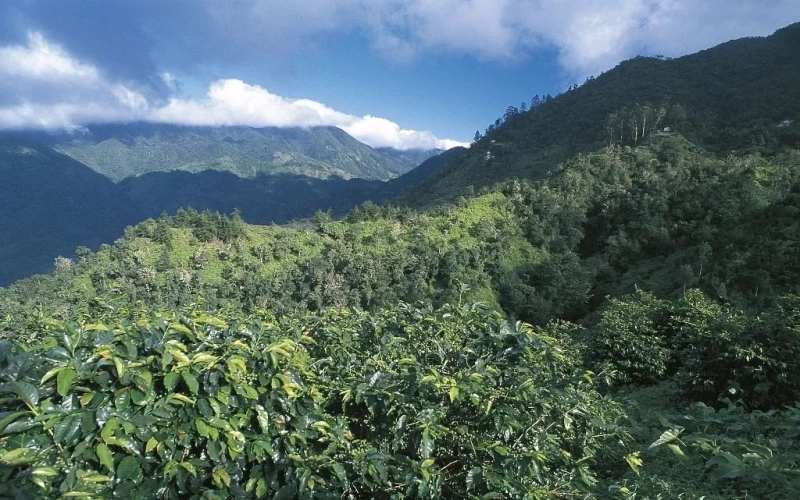
Kenya's Coffee Industry Faces Multiple Challenges: Dual Pressure from New Regulations and Declining Production
The Kenyan coffee industry is facing unprecedented challenges. The latest report from the United States Department of Agriculture shows that, affected by a reduction in planted area and heavy rains, Kenya's coffee production in the 2024/25 marketing year is expected to fall to 750,000 bags, a year-on-year decline of 6.3%. At the same time, new policies and regulations implemented by the government are also profoundly affecting the entire industry chain, with impacts from production and processing to export trade. This series of changes has not only affected Kenya's coffee export volume and prices, but has also had a far-reaching impact on farmers' livelihoods and industry development. Front Street Coffee will provide you with an in-depth analysis of the current situation and future of Kenya's coffee industry. [more…]
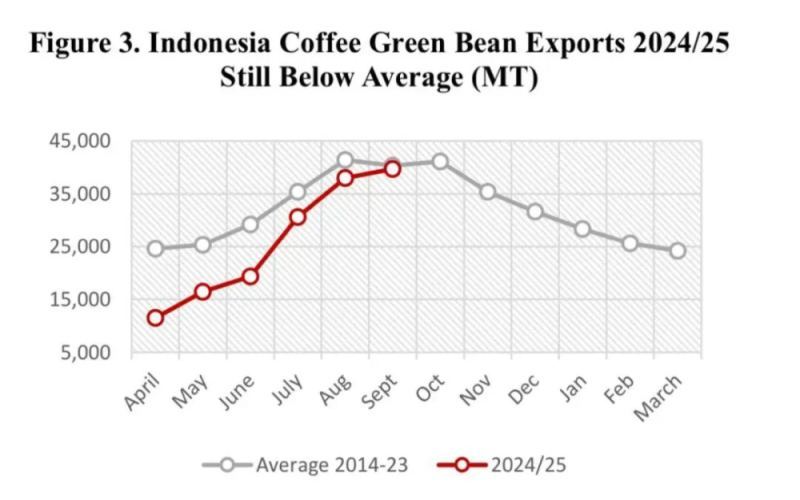
Indonesian Coffee Production Expected to Rebound to 2.4 Million Bags: Analysis of Export and Domestic Demand Trends
The latest report from the United States Department of Agriculture shows that Indonesia's total coffee production for 2024/25 is expected to increase by about 2.4 million bags (60 kg/bag) compared with the previous year, but the overall recovery remains below expectations, with production revised down by 8% year on year. Affected by strong domestic demand, the volume available for export is expected to fall by 12% to 5.2 million bags, though this is still 18% higher than exports in 2023/24. Recovery has been slow in the Robusta-producing areas of southern Sumatra, while the Arabica-producing areas of northern Lintong have suffered heavy rainfall and secondary disasters. Domestic purchasing power is weak, and consumption growth is less than 1%. The European Union had increased purchasing because of the EUDR regulations, but later postponed implementation for one year. Production in Vietnam and Brazil is unstable, and coffee prices remain high. Front Street Coffee will continue to monitor developments in producing regions. [more…]
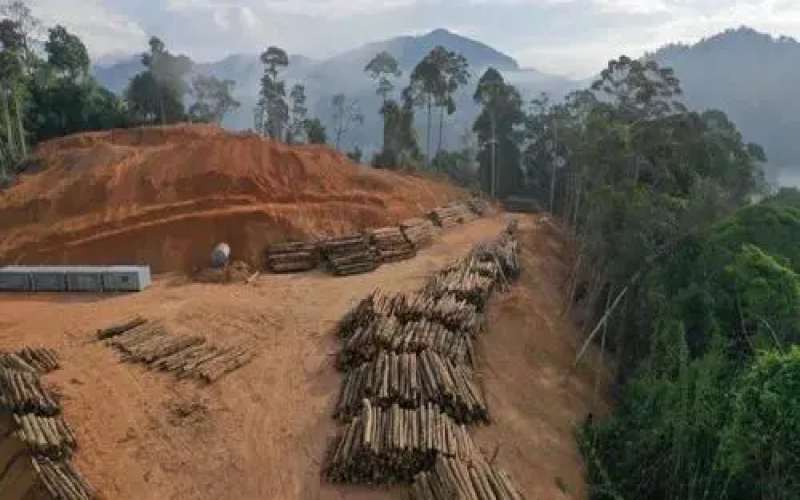
USDA latest report interpretation: Global coffee production for 2023/24 is expected to rise to 171.4 million bags, with Brazil and Colombia recovering while Vietnam and Indonesia come under pressure.
As the year draws to a close, coffee institutions and importers in multiple countries are successively releasing their annual reports. The Russia-Ukraine conflict, the Israeli-Palestinian situation, and inflationary pressures have dampened coffee consumption in some regions, while high interest rates have pushed up trade costs, and the EU Deforestation Regulation (EUDR) is expected to further increase coffee trade expenses in 2024. In terms of weather, the dissipation of El Niño may be delayed until the second quarter of 2024, posing a threat to producing regions along the equatorial belt that flower in April and May, with Brazil's Robusta particularly affected, leading to rising bean prices. The United States Department of Agriculture (USDA) recently released its "Coffee: World Markets and Trade" report, forecasting global production for the 2023/24 year at 171.4 million bags, an increase of 6.9 million bags year-on-year; exports are projected at 119.9 million bags, up 8.4 million bags; consumption will hit a new high of 169.5 million bags, while ending stocks remain at a 12-year low of 26.5 million bags. [more…]
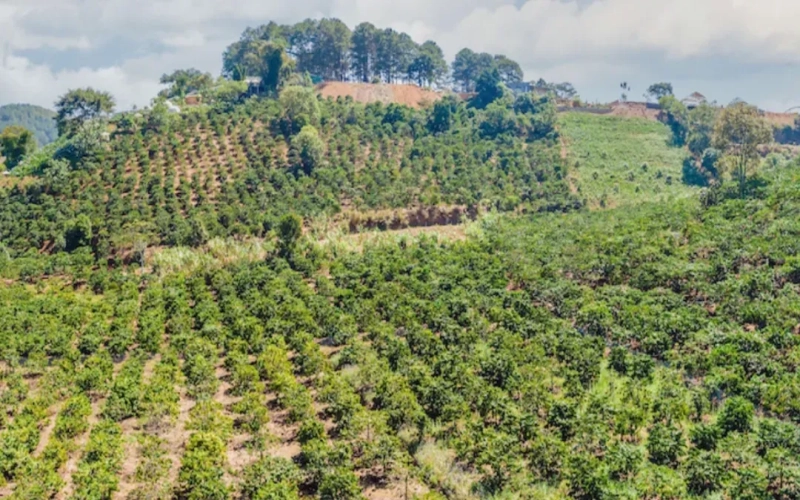
Vietnam's New Crop Coffee Production May Reach 29 Million Bags, Export and Climate Variables Draw Attention
The latest report from the United States Department of Agriculture shows that Vietnam's coffee production for the 2024/25 season is expected to reach 29 million bags, a slight adjustment from earlier forecasts, but rising coffee prices are encouraging farmers to invest more. Although drought and high temperatures have hit production, measures such as irrigation and intercropping have somewhat eased the pressure of reduced output. At the same time, the planting structure in the Central Highlands is quietly changing, with high-return crops such as durian and passion fruit diverting some coffee acreage. On the export front, Vietnam's coffee exports in the first half of the 2023/24 fiscal year fell 7% year on year, while domestic purchase prices remain persistently high, making traders cautious about signing contracts. The market is skeptical of official production data, and La Niña may become the biggest variable going forward; the new season's harvest will not be known until October. [more…]
A Comprehensive Guide to Global Organic Tea Certification Systems: Differences Among EU, US, Japan and Other Standards, and Buying Tips
The core difference between organic tea and conventional tea lies in whether it has been certified by an authoritative body. EU organic regulations prohibit genetic modification and synthetic inputs, and require animals to be raised in ways that suit their species characteristics, and are regarded as the strictest threshold in the tea industry. Certifications such as Switzerland's IMO, France's Ecocert, the US USDA, Japan's JAS, India's, Canada's, China's, Australia's, and Germany's Naturland each have different emphases, with significant differences in scope of application and difficulty of obtaining them. Rainforest Alliance, UTZ, FDA, and HACCP provide supplementary assurances from the perspectives of sustainable agriculture and food safety. This article systematically sorts out the rules, authority, and market applicability of major certifications, helping coffee and tea lovers accurately identify the true meaning behind labels when making purchases. [more…]
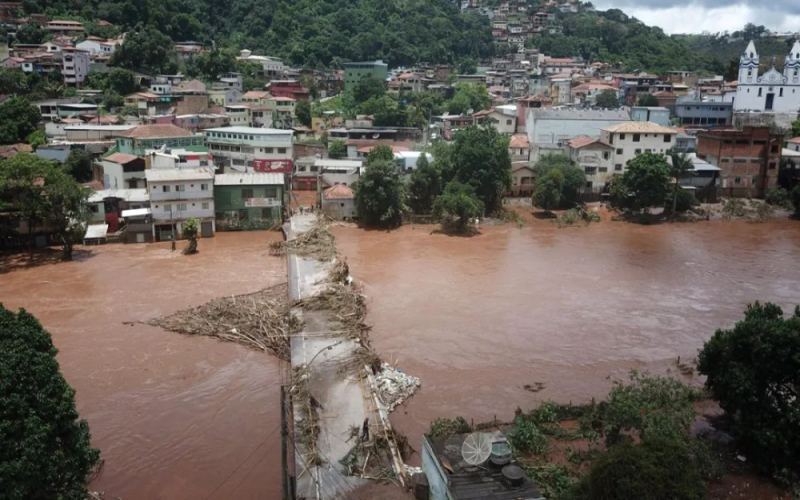
Pressure from reduced coffee harvests in many countries worldwide is intensifying, and international futures prices are unlikely to fall back in the short term.
Recently, international investment bank Hedgepoint released a coffee futures price report noting that global coffee supply faces multiple uncertainties, with futures prices continuing to run at high levels and limited room for decline in the short term. Brazil, as the world's largest coffee producer, has seen its Arabica production forecast revised downward due to drought, high temperatures, and unstable rainfall; several Central American countries have suffered severe damage to coffee crops and infrastructure from hurricanes and storms. Although Colombia's new crop season is expected to see a slight increase in production, it is unlikely to offset the overall decline in major producing regions. Combined with potential climate disruptions from La Niña, international coffee prices are expected to remain firm. Stay tuned to origin developments—Front Street Coffee continues to track them for you. [more…]
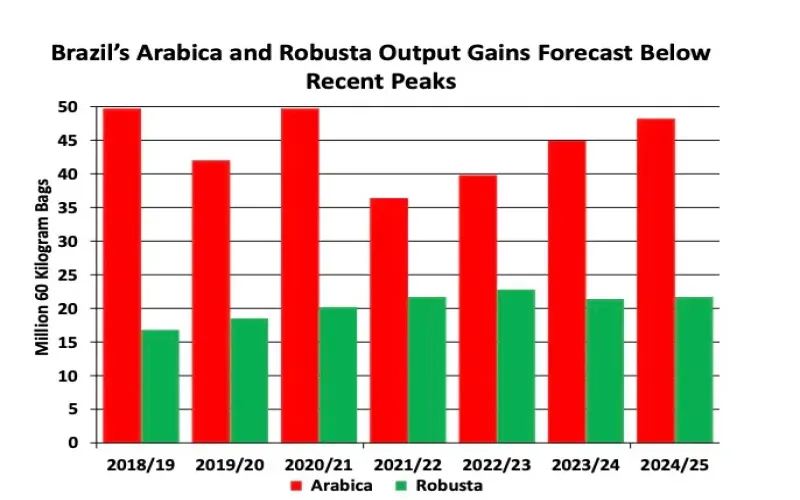
Latest USDA Report: Global Coffee Production Expected to Rebound to 176.2 Million Bags in 2024/25
The United States Department of Agriculture recently released its Coffee: World Markets and Trade report, forecasting global coffee production and consumption trends for the 2024/25 marketing year. The report indicates that, driven by the continued recovery of Brazil's coffee production and a rebound in Indonesia's output, global coffee production is expected to increase by 7.1 million bags from the previous year to 176.2 million bags. Higher supply will also push global coffee exports up by 3.6 million bags to 123.1 million bags. By region, Brazil is set to see significant production gains, Colombia will see a slight recovery though pest concerns loom, Central America will remain broadly flat, and Indonesia's higher robusta output will prove insufficient to offset Vietnam's decline. Although Vietnam's production is unchanged, rising domestic consumption and drought impacts have led to a downward revision of its export forecast. The detailed contents of the report follow. [more…]

USDA Releases 2023/24 Coffee Production Forecasts for Brazil, Colombia, and Vietnam as El Niño Roils Global Supply
The El Niño phenomenon continues to disrupt global weather patterns, causing the production prospects of major coffee-producing countries to diverge. The United States Department of Agriculture recently released its assessment report on the 2023/24 coffee production of Brazil, Colombia, and Vietnam, with the three countries showing different trends: Brazil's Robusta faces a decline in production, while Arabica is expected to see a recovery in growth; Colombia's production is rebounding due to improved climatic conditions, but import demand still exists; Vietnam, meanwhile, continues to decline due to unfavorable weather and farmers switching to other crops. Overall, El Niño is putting pressure on coffee production in Brazil and Vietnam, while Colombia has become one of the few beneficiaries. The following is the detailed data and analysis. [more…]
World Coffee Origins | Which famous coffee beans come from each coffee-producing country? What are the flavor, taste, and characteristics of each coffee variety? Introduction to coffee grading systems
I. Brazil (South America) Since 1960, Brazil has consistently ranked first in the world in coffee cultivation, with an average annual output of 24.6 million bags (each bag weighing 60 kilograms). According to a November 2002 report by the United States Department of Agriculture, Brazil's actual coffee output in 2002 should have been 51.6 million bags. Brazil is the world's most [more…]
Global Coffee Demand Continues to Rise, Brazil's Exports to China Break the One Million Bag Mark for the First Time
The latest data from the Brazil Coffee Exporters Council shows that Brazil's coffee exports to China have surpassed the 1 million bag mark for the first time, reaching 1,151,768 bags (60 kg/bag), and the growth momentum is expected to continue. At the same time, the European Union remains firmly the largest destination for Brazilian coffee exports, with exports reaching 5,470,729 bags in 2023. The rapid growth of China's coffee consumption, the increase in global coffee production, and changes in the import structures of major consuming countries are reshaping the world coffee trade landscape. Front Street Coffee continues to follow global coffee market developments, bringing the latest industry news to enthusiasts. [more…]
Honduras' coffee industry faces multiple challenges: the spread of leaf rust combined with drought may cause production to plummet by 24% in the 2023/24 season.
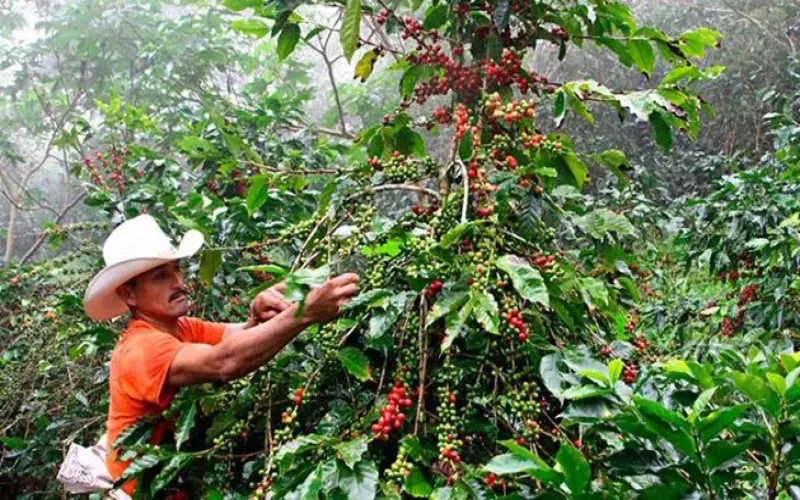
The latest report from the United States Department of Agriculture shows that Honduras, Central America's largest producer of washed Arabica coffee, is facing a severe test. In the 2023/24 fiscal year, the country's coffee production is expected to be only 5.5 million bags (60 kg per bag), a sharp drop of 24% from the previous year, while exports will also fall from 6.2 million bags to 5 million bags, a decline of 19%. Extreme heat and drought, a large-scale outbreak of coffee leaf rust, and a persistent labor shortage are the core factors behind the decline in production. At the same time, the Honduran government has introduced tax-exemption policies and is accelerating free trade negotiations with markets such as China in an attempt to ease the plight of coffee farmers. This article will combine the USDA report with data from the Honduran Coffee Institute to provide a comprehensive analysis of the ins and outs of this industry crisis. [more…]
Costa Rican Coffee Production Plummets to Historic Low: Exchange Rates, Climate, and Labor Woes Intertwine
The Costa Rican coffee industry is facing its most severe challenge in decades. The latest report from the United States Department of Agriculture shows that the country's coffee production for the 2024/25 crop year is expected to be only 1.185 million bags. Although this is on par with the previous year, it represents a sharp 66% decline from the 3.5 million bags seen in the 1990s, approaching a historic low. High debt, the continued appreciation of the colón, depressed international prices, and shrinking demand have greatly increased the financial pressure on growers, leading them to reduce fertilizer inputs and postpone the renewal of disease-resistant, high-yield varieties. In 2023, an early rainy season and abnormal high temperatures and humid harvest conditions triggered by El Niño further damaged coffee quality and yields. At the same time, transportation disruptions caused by protests in Panama and labor shortages caused by Nicaraguan migrants moving north made harvesting even more difficult. On the export side, only 975,000 bags are expected in 2024/25, and exchange rate issues have already sparked marches and protests across multiple industries. Front Street Coffee will continue to monitor developments in this producing region. [more…]
In-Depth Analysis of Hawaiian Kona Coffee Beans: Variety Characteristics, Historical Origins, and Recommended Well-Known Brands
The Hawaiian Islands lie near the Tropic of Cancer, where volcanic soil and a tropical climate give rise to the world-famous Kona coffee. This article provides a comprehensive overview of the history of coffee cultivation in Hawaii, its quality characteristics, the distribution of major growing regions, and its certification system, and also introduces well-known brands such as Kona Mist and their online direct-sales model. At the same time, Front Street Coffee recommends a number of Hawaiian specialty coffee beans to help enthusiasts gain a deeper understanding of the unique appeal of this top-tier growing region. From its introduction in the 19th century to today's specialty-oriented development, Hawaiian coffee has traveled a rugged yet glorious path. [more…]

Cambodia Mondulkiri Coffee Purchase Agreement Finalized, Price Uptick Boosts Industry Development
Coffee bean prices in Cambodia's Mondulkiri province have recently risen, driven by long-term supply agreements signed between producers and purchasing companies. Suong Chanthorn, head of the Mondulkiri Agriculture Department, noted that in the past, when farmers sold coffee beans individually to traders, prices fluctuated significantly, but now with contractual guarantees, prices are expected to stabilize over the next two years. This cooperation not only boosts farmers' incomes but also helps ensure food security, strengthen the economic empowerment of women, especially ethnic minorities, and promote standardization and sustainable development of the production chain. Currently, Mondulkiri's coffee planting area covers 351 hectares, with 342 hectares harvestable and a yield of 705 tons. The price of fresh coffee beans has risen from 1,350 riel per kilogram to 1,500 riel, and is expected to continue climbing next year. Cambodia has a long history of coffee, dating back to the French colonial period, and today its main production areas are located in highland regions above 800 meters in elevation, with superior soil and climate conditions. As the government actively promotes the coffee industry, Cambodian coffee beans are gradually entering European, Asian, and American markets, and are poised to become a rising star in Asia's coffee market. [more…]
The Complete Guide to Hawaiian Kona Coffee: Volcanic Soil Flavor, Grading System, and Comparison of Five Brewing Methods
Hawaii is the only American state that produces coffee. Kona coffee, with its volcanic rock soil, family farming tradition, and unique flavor, stands alongside Jamaica Blue Mountain as a byword for premium coffee. This article begins with the historical origins of Hawaiian coffee and introduces the natural environment of the Kona growing region, its grading system, the Typica variety of Queen's Estate, and Front Street Coffee's roasting recommendations. We have also put together a flavor comparison of five brewing methods—V60, siphon, AeroPress, French press, and KONO dripper—to help you find the extraction method best suited to Kona coffee. [more…]

El Niño Devastates Africa's Coffee Industry: Ethiopia's Production Drops Over Ten Percent, Export Pressure Intertwined with Debt Default Risk
Affected by extreme weather triggered by the El Niño phenomenon, Africa's major coffee-producing regions are undergoing a severe test. As Africa's largest coffee producer, Ethiopia's output for the 2022/23 fiscal year is expected to decline to 7.3 million bags, a decrease of about 1 million bags from previous expectations. The alternating onslaught of drought and floods has not only damaged infrastructure in the producing areas but also driven up transportation costs. At the same time, the European Union Deforestation Regulation (EUDR)'s strict requirements for origin traceability make it difficult for smallholder farmers to comply, forcing export volumes to be revised down by 19%. Shrinking exports, compounded by the impact of the pandemic and civil war, have intensified the country's fiscal pressure, and it even faces the risk of sovereign debt default. International coffee futures prices, meanwhile, continue to fluctuate at high levels due to constrained supply, and market concerns about short-term supply are steadily mounting. [more…]

Who Is Decaf Coffee Suitable For? | What's the Difference Between Decaf and Regular Coffee? Is Decaf Coffee Specialty Coffee? Recommended Low-Caffeine Pour-Over Coffee Beans
Some people love the aroma of coffee but can't enjoy it, because drinking coffee gives them palpitations, insomnia, stomach pain, and other adverse reactions. So is there a low-caffeine coffee option? How low can its caffeine content be? First, let's understand what caffeine is. Caffeine is a plant [more…]
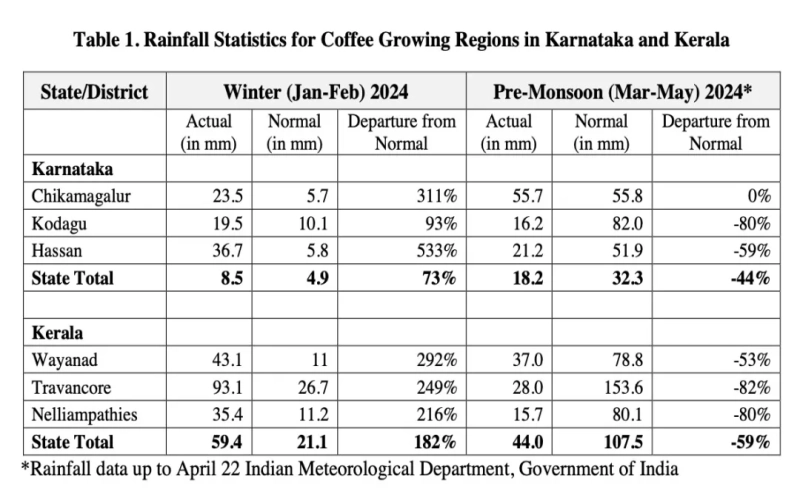
India's New Crop Coffee Production Estimated to Stabilize, Water Shortages and Red Sea Shipping Crisis Will Still Weigh on Exports
The latest India coffee annual report released by the United States Department of Agriculture shows that India's total coffee production for the 2024/25 marketing year is forecast at about 6 million bags, including about 1.4 million bags of Arabica and about 4.6 million bags of Robusta, remaining broadly stable overall. However, the outlook for the crop season is not optimistic: after heavy rains from January to February, many regions saw insufficient rainfall from March to May, and combined with groundwater overexploitation and climate change, India is facing a severe water shortage crisis, with fruit set rates in major producing areas falling sharply. At the same time, continued tensions in the Red Sea have pushed up freight rates on Asia-Europe routes, and with international coffee prices at a decade high, India's coffee exports face triple pressure from weather, shipping and prices. This article will combine the latest data to sort out India's coffee supply and demand structure and the risks ahead. [more…]